
Everyday care
Caring for the Skin Around Your Stoma
Learn gentle peristomal skin care, how fit helps protect your skin, and when irritation or repeated leaks need professional attention.
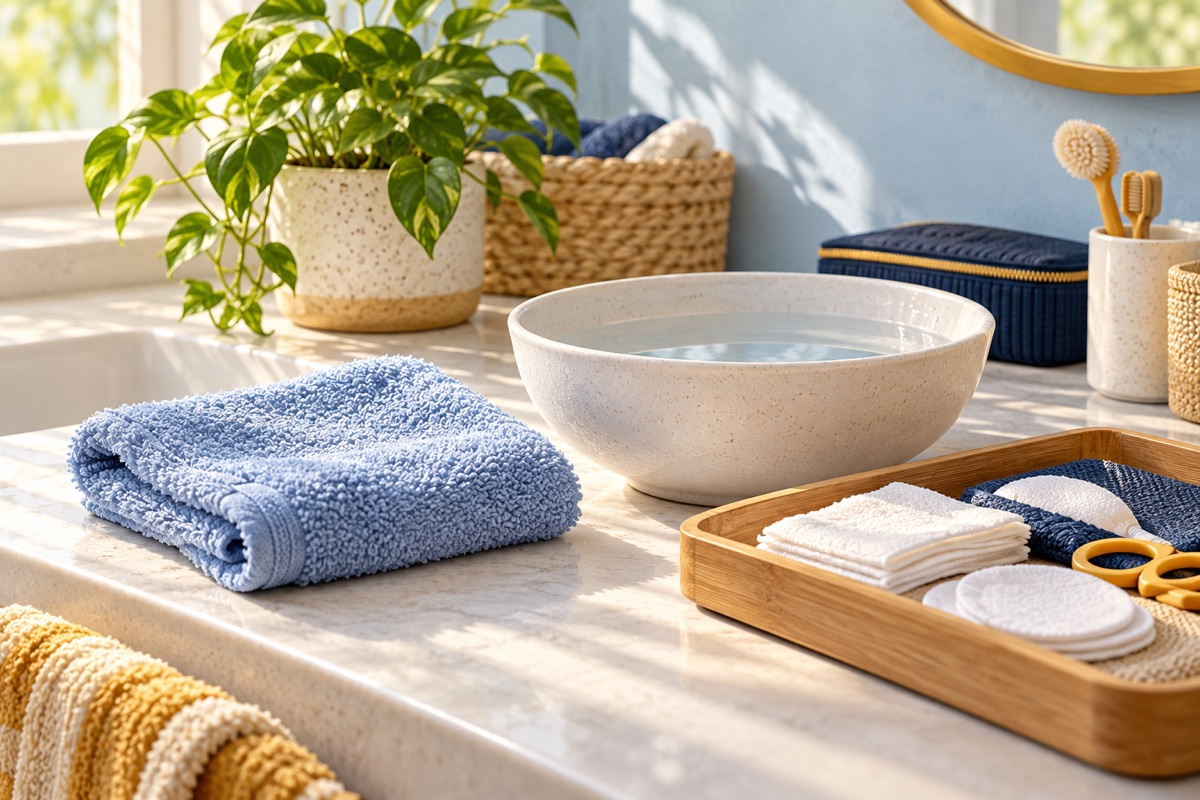
Illustrative image. Product shapes and features vary.
The skin around your stoma is called peristomal skin. It should generally look and feel like the surrounding abdominal skin. Ongoing soreness, itching, burning, or broken skin deserves attention. A comfortable routine starts with gentle cleaning and a barrier that fits.
Clean gently and dry thoroughly
Warm water and a soft cloth are usually enough for routine cleaning. If you use soap, choose one without oils or moisturisers and rinse it away well. Pat the skin dry before applying the next barrier.
Oily lotions and residue from some wipes can interfere with adhesion. Avoid alcohol and harsh cleansers around the stoma. Use products intended for ostomy care as directed by your nurse and the manufacturer.
Keep checking the opening
The opening needs to fit closely around the base of your stoma without cutting into it. Too much exposed skin can allow stool or urine to sit against the skin. Your nurse can show you how to measure your stoma and prepare the opening for your product.
Stoma size can change during the weeks after surgery. A template that fitted at discharge may need updating as swelling settles. Continue checking fit whenever your stoma or body shape changes.
Respond to a suspected leak
Burning, itching, or output under the barrier can indicate a problem with the seal. Change the affected system promptly rather than waiting for your usual change day. Tape over the outside cannot repair a leak that is already reaching the skin.
Look at the removed barrier and note where output travelled. Repeated leaks are a reason to arrange a fit assessment. Irritation can have several causes, including moisture, friction, product sensitivity, or infection; its appearance alone does not establish the cause.
Know when to ask for help
Contact your ostomy nurse for persistent irritation, open or weeping skin, or increasing difficulty keeping a seal. Seek prompt medical care for severe pain, rapidly worsening redness, fever, or feeling unwell.
Keep the routine purposeful: Healthy skin does not automatically need powder, paste, and barrier film at every change. Add products for an identified need, with guidance.
General education only. Follow your care team's advice and the instructions for your specific products. An NSWOC (Nurse Specialized in Wound, Ostomy and Continence) can help assess your individual needs.
Sources & further reading
- MedlinePlus — Ileostomy: Caring for Your Stoma
- United Ostomy Associations of America — Maintaining Healthy Peristomal Skin
- WOCN Society — Peristomal Skin Assessment Guide for Consumers
Back to Articles & Advice · Questions about ordering? Contact us